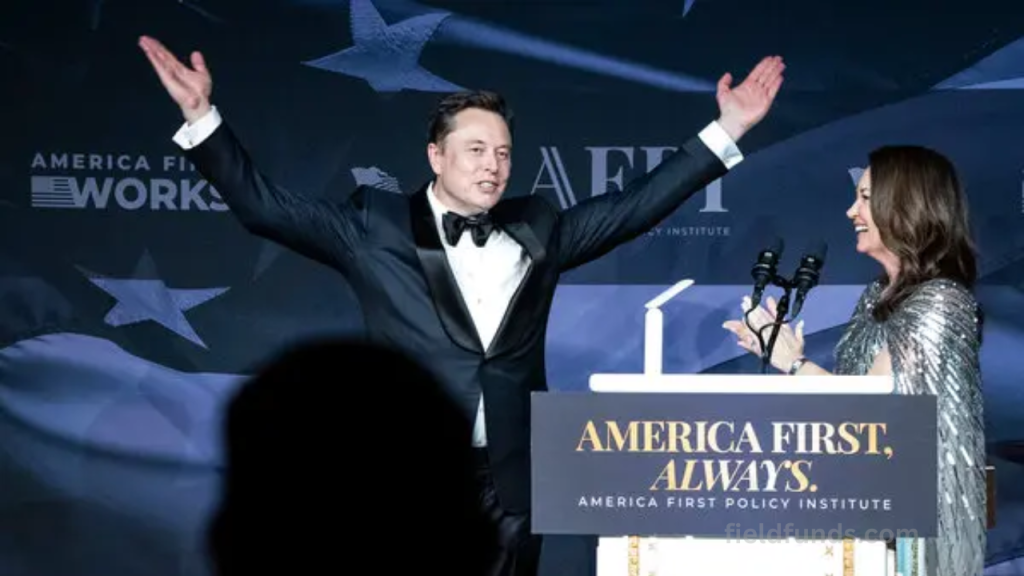
When headlines broke about a massive Elon Musk tax donation involving nearly $100M in Tesla shares, reactions ranged from praise to skepticism. Some saw it as strategic philanthropy, others as a calculated tax maneuver. Either way, the move reignited global debate around billionaire taxes, stock donations, and the future of corporate responsibility. In a world increasingly focused on wealth transparency, this single decision carries implications far beyond one individual or one company.
Why Elon Musk tax donation Matters in 2025 and Beyond
The Elon Musk tax donation is not just about money changing hands. It reflects a broader shift in how ultra-wealthy individuals manage taxes, public perception, and long-term influence.
A new era of high-profile philanthropy
Unlike traditional cash donations, stock-based giving highlights how modern philanthropy is evolving. By donating Tesla shares, Musk avoids liquidating assets while still contributing enormous value.
The timing in a post-pandemic economy
Governments worldwide are under pressure to fund social programs and climate initiatives. High-net-worth individuals making visible contributions shape public expectations and policy discussions.
Impact on tax policy debates
This Elon Musk tax donation has fueled renewed calls for wealth taxes, capital gains reforms, and stricter disclosure requirements for stock-based charitable giving.
Key Features or Main Highlights
The move stands out not only for its size but also for how it was executed.
Donation through stock transfers
Instead of cash, Musk transferred Tesla shares valued at roughly $100M, a method often used to reduce capital gains exposure.
Strategic tax planning
Stock donations can be deducted at fair market value, offering significant tax advantages while supporting charitable causes.
Public transparency and filings
Regulatory disclosures made the transaction public, sparking intense media and investor scrutiny.
Alignment with long-term vision
Supporters argue the donation aligns with Musk’s broader goals around sustainability, education, and technological progress.
Latest Trends or Updates About Elon Musk tax donation
The Elon Musk tax donation has influenced several emerging trends in 2025.
Rise in equity-based philanthropy
More CEOs and founders are now donating shares instead of cash, inspired by Musk’s approach.
Increased investor awareness
Shareholders are paying closer attention to executive stock movements, especially when tied to charitable activity.
Regulatory attention
Tax authorities are reviewing how stock donations are valued and reported, potentially leading to tighter rules.
Media-driven accountability
Every major financial move by public figures is now instantly analyzed across social and traditional media.
Read More: Shocking Reinsurance Market Trends That Could Impact Your Coverage
Pros & Cons
Like any high-profile financial decision, this donation has clear advantages and notable criticisms.
Pros
- Encourages large-scale philanthropy without forcing asset liquidation
- Highlights innovative ways to support social causes
- Sets an example for other tech leaders
- Can stabilize long-term stock ownership by avoiding market sell-offs
Cons
- Viewed by critics as a tax avoidance strategy
- Lacks clarity on how funds are ultimately used
- Raises concerns about influence over recipient organizations
- Can create market speculation around insider intent
Real-World Examples or Case Studies
The Elon Musk tax donation is not an isolated case, though its scale is exceptional.
Tech leaders following similar paths
Founders like Mark Zuckerberg and Jeff Bezos have also donated shares to philanthropic entities, using similar tax-efficient structures.
Tesla stock volatility and perception
Past stock transfers by Musk have triggered short-term market reactions, though long-term impacts remain limited.
Charitable foundations as intermediaries
Many stock donations flow through donor-advised funds, allowing donors to recommend grants over time rather than immediately.
Expert Opinions or Market Predictions
Financial analysts and tax experts have weighed in heavily on this move.
Tax experts’ perspective
Most agree the Elon Musk tax donation is legal and efficient, though they expect increased regulatory oversight in coming years.
Market analysts’ view
From an investor standpoint, the donation reduces fears of sudden large-scale sell-offs, which can stabilize share prices.
Policy analysts’ outlook
Experts predict this case will be cited in future debates on billionaire taxation and charitable deductions.
Common Myths or Misunderstandings
High-profile donations often attract misinformation.
“It means Musk paid no taxes”
False. Donations reduce taxable income but do not eliminate tax obligations entirely.
“The charity immediately sells the shares”
Not always. Many organizations hold shares or sell them gradually to manage risk.
“This hurts Tesla shareholders”
In most cases, stock donations are structured to minimize market disruption.
“It’s purely for publicity”
While public perception matters, legal filings show structured financial planning behind the move.
Frequently Asked Questions
What exactly is the Elon Musk tax donation?
It refers to Musk donating Tesla shares worth about $100M to charitable causes, primarily for tax-efficient philanthropy.
Why donate shares instead of cash?
Donating shares avoids capital gains taxes and allows donors to give assets at full market value.
How often does Elon Musk do this?
Musk has made similar large-scale donations in previous years, though not always publicly discussed.
Does this affect Tesla’s stock price?
Short-term speculation may occur, but long-term impacts are usually minimal.
Who benefits from the donation?
Typically charitable foundations or donor-advised funds that support various social initiatives.
Is this strategy legal worldwide?
Rules vary by country, but in the U.S., stock donations are a well-established legal practice.
Will this change tax laws?
It may influence policy discussions, but any legal changes would take years to implement.
Conclusion
The Elon Musk tax donation of $100M in Tesla shares is more than a headline-grabbing gesture. It reflects how wealth, responsibility, and strategy intersect in the modern economy. Whether viewed as smart tax planning or meaningful philanthropy, the move has sparked essential conversations about fairness, transparency, and the role of billionaires in society. As 2025 unfolds, this decision will likely remain a reference point in debates about taxes, innovation, and the future of giving.