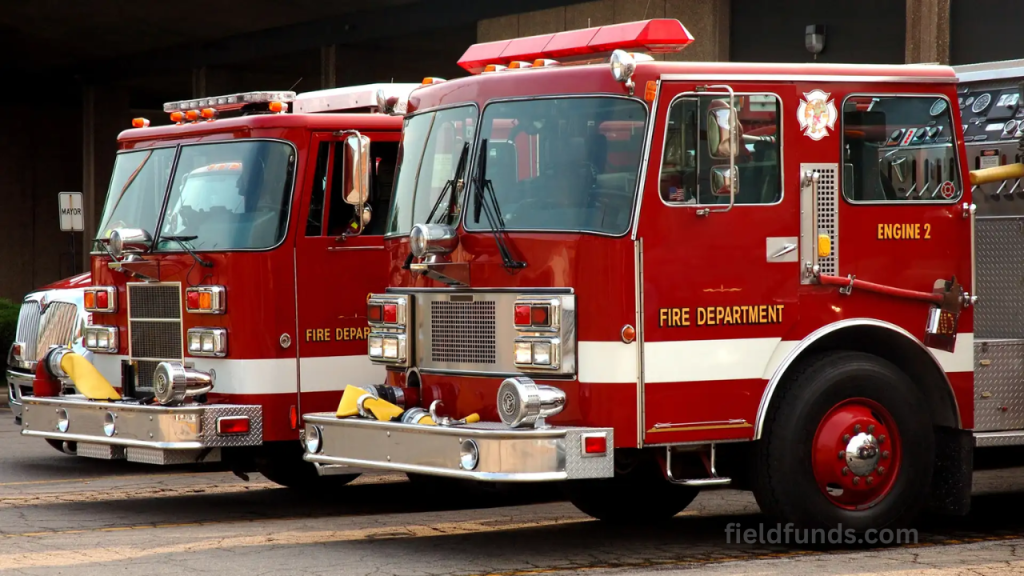
Across towns and rural communities, volunteer firefighters are the backbone of emergency response. As risks grow more complex, so does the need for reliable protection. The nationwide launch of a new Volunteer Fire Department Insurance program marks a major step forward, offering tailored coverage that finally matches the realities volunteers face today. From liability protection to equipment coverage, this initiative is designed to safeguard those who selflessly protect others.
Why Volunteer Fire Department Insurance Matters in 2025 and Beyond
Volunteer fire departments operate in a rapidly changing environment. Climate change, urban expansion, and advanced rescue operations have increased both the frequency and complexity of emergencies. In this context, Volunteer Fire Department Insurance is no longer optional—it’s essential for sustainability and safety.
Rising Operational Risks
Modern firefighting involves hazardous materials, wildland fires, multi-vehicle accidents, and medical response. Each scenario exposes departments to financial and legal risks that can cripple small, volunteer-run organizations without proper coverage.
Volunteer Retention and Recruitment
Insurance coverage plays a key role in attracting and retaining volunteers. Knowing they are protected in case of injury, disability, or legal claims gives volunteers and their families peace of mind, strengthening long-term commitment.
Compliance and Accountability
Regulatory expectations are increasing. Adequate insurance helps departments meet state and federal compliance standards while demonstrating accountability to local governments and donors.
Key Features or Main Highlights
The newly launched nationwide program focuses on comprehensive, flexible protection specifically designed for volunteer departments rather than adapting generic commercial policies.
Tailored Coverage for Volunteer Operations
Unlike traditional plans, this Volunteer Fire Department Insurance accounts for part-time staffing, donated equipment, and community-owned assets, ensuring accurate valuation and fair premiums.
Core Coverage Areas
- General and professional liability for on-scene incidents
- Accident and injury coverage for active volunteers
- Vehicle and apparatus insurance, including tankers and rescue units
- Property and equipment protection for stations and gear
- Cyber liability for departments using digital dispatch and records
Flexible Policy Structures
Departments can scale coverage based on size, call volume, and budget. This flexibility ensures small rural units and larger suburban departments both get appropriate protection.
Latest Trends or Updates About Volunteer Fire Department Insurance
The insurance landscape for volunteer fire departments is evolving quickly, driven by technology, risk analytics, and changing community needs.
Data-Driven Risk Assessment
Insurers now use incident data, response times, and training records to assess risk more accurately. This often leads to better pricing for well-trained, proactive departments.
Bundled Insurance Solutions
Many providers are shifting toward bundled policies that combine liability, property, and volunteer accident coverage under one umbrella, simplifying administration.
Focus on Mental Health Coverage
A growing trend is the inclusion of mental health and PTSD-related benefits. This reflects a broader understanding of the psychological toll emergency response takes on volunteers.
Nationwide Standardization
The new Volunteer Fire Department Insurance program aims to reduce disparities between states by offering consistent baseline coverage, regardless of location.
Read More: Essential AI Boom Investing Tips That Could Double Your Portfolio
Pros & Cons
No insurance program is perfect. Understanding the advantages and limitations helps departments make informed decisions.
Pros
- Coverage designed specifically for volunteer fire departments
- Nationwide availability with consistent standards
- Flexible pricing and scalable policies
- Improved volunteer protection and retention
- Enhanced credibility with municipalities and donors
Cons
- Premiums may still challenge very small departments
- Coverage customization requires careful policy review
- Some legacy departments may face transition complexities
Real-World Examples or Case Studies
Rural Department Recovery After Apparatus Loss
A small rural department lost its primary engine in a garage fire. With comprehensive Volunteer Fire Department Insurance, the department replaced the apparatus within months instead of relying on years of fundraising.
Volunteer Injury During Rescue Operation
In a multi-vehicle accident response, a volunteer suffered serious injuries. The insurance program covered medical costs and partial income replacement, preventing personal financial hardship.
Urban-Adjacent Department Liability Claim
A suburban volunteer department faced a lawsuit after property damage during a wildfire response. Liability coverage protected the department’s budget and preserved community trust.
Expert Opinions or Market Predictions
Industry experts agree that specialized insurance is the future for volunteer emergency services.
Insurance Analysts’ View
Experts predict increased adoption of nationwide programs as departments seek stability and predictable costs. Customized volunteer-focused policies are expected to outperform generic municipal insurance in both claims satisfaction and cost control.
Fire Service Leadership Insights
Fire chiefs emphasize that insurance is now a strategic investment, not an administrative expense. Adequate Volunteer Fire Department Insurance is seen as critical infrastructure for modern departments.
Market Growth Forecast
The volunteer emergency services insurance sector is projected to grow steadily through 2030, driven by rising call volumes, equipment costs, and legal exposure.
Common Myths or Misunderstandings
Many departments delay insurance decisions due to misconceptions that can be costly.
“Volunteers Are Automatically Covered by the City”
In many regions, this is false. Municipal coverage often excludes volunteers or provides minimal protection.
“Insurance Is Too Expensive for Small Departments”
While budgets are tight, tailored Volunteer Fire Department Insurance is often more affordable than expected, especially when compared to potential uninsured losses.
“We Don’t Need Coverage Because We Rarely File Claims”
Low claim history doesn’t eliminate risk. One major incident can financially devastate an uninsured department.
“All Policies Are Basically the Same”
Generic policies often miss volunteer-specific risks, leaving dangerous coverage gaps.
Frequently Asked Questions
What does Volunteer Fire Department Insurance typically cover?
It usually includes liability, volunteer injury, vehicle, equipment, and property coverage designed for volunteer operations.
Is this insurance mandatory?
Requirements vary by state, but many municipalities strongly recommend or require adequate coverage.
Can small rural departments afford it?
Yes, many programs offer scaled pricing based on call volume and department size.
Does it cover volunteers during training?
Most comprehensive policies include coverage during approved training exercises.
Are mental health services included?
Increasingly, yes. Many modern policies now include mental health and PTSD support.
Can departments customize their coverage?
Absolutely. Policies are often modular to match specific operational needs.
How does nationwide coverage help departments?
It provides consistent protection standards and simplifies compliance across jurisdictions.
Conclusion
The nationwide launch of a dedicated Volunteer Fire Department Insurance program is more than an administrative update—it’s a recognition of the vital role volunteers play in public safety. As risks increase and expectations grow, tailored insurance ensures departments remain resilient, volunteers stay protected, and communities continue to receive reliable emergency response. Investing in the right coverage today safeguards the future of volunteer firefighting for years to come.