
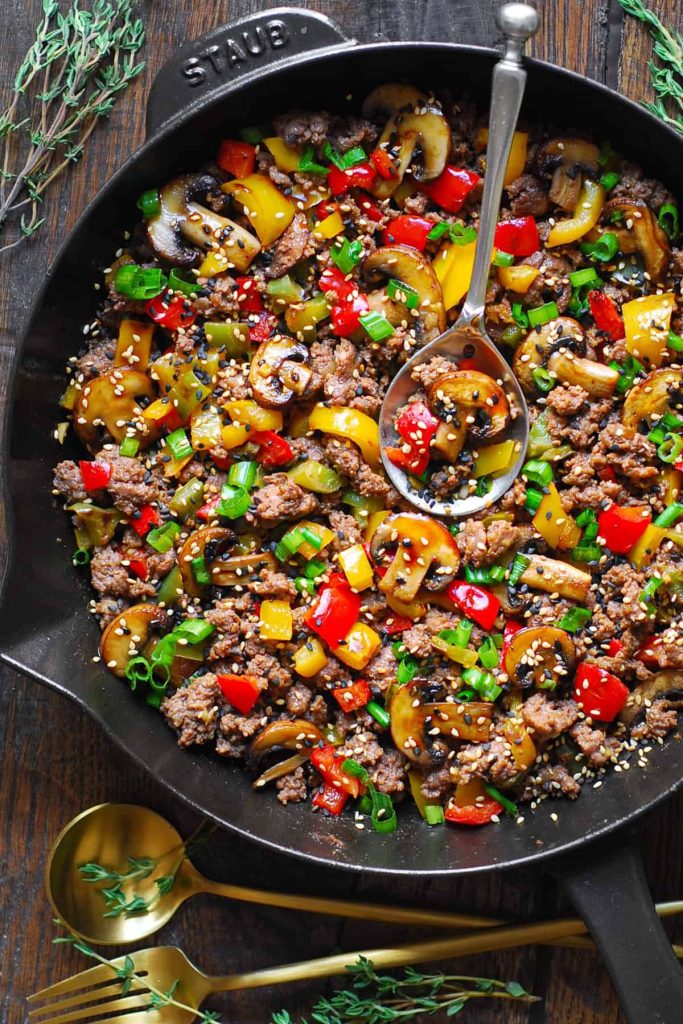
A balanced lunch bowl built from fresh vegetables, grains, beans, and a drizzle of olive oil has become a popular template for healthy eating, and dietitians say its real strength is how cheaply it can be assembled. The formula is simple: a base of cooked grains, a generous portion of vegetables in at least two colours, a protein such as beans, lentils, eggs, or tinned fish, and a flavourful dressing. Frozen vegetables and tinned pulses count fully towards the pattern and often cost a fraction of out of season fresh produce. Prepared at home, the bowl replaces expensive bought lunches while giving the eater control over salt, portions, and ingredients. Workplaces with a fridge and microwave make the routine far easier to keep, and nutrition teams encourage employers to provide those basics for staff lunches.
What the Evidence Shows
Meal preparation helps the habit survive busy weeks; cooking a larger batch of grains, roasting a tray of vegetables, and keeping dressings ready means bowls come together in minutes. Nutrition services encourage checking labels on shop bought dressings and sauces, which can carry surprising amounts of salt and sugar. Adding herbs, citrus, garlic, or spices keeps simple ingredients interesting without costly extras. For people managing blood sugar, balancing the bowl with protein and fibre, and watching grain portions, is more useful than cutting out whole food groups. Dietitians frame the lunch bowl as a flexible habit rather than a strict diet, one that adapts to seasons, budgets, and family tastes. Keeping a short list of three favourite combinations prevents decision fatigue, while one experimental bowl each week stops the healthy routine from becoming boring or repetitive. Reporting and analysis from sources such as World Health Organization track the same developments, and specialists following affordable balanced lunch bowls say the direction is now consistent across independent lines of evidence.
The Wider Context
The wider context is a health system trying to move from treating illness late to preventing it early, against budgets that reward the opposite. Evidence around affordable balanced lunch bowls is being weighed by guideline committees that ask two questions in order: does it work, and can ordinary services actually deliver it at scale. Many good ideas pass the first test and stall on the second.
What Happens Next
What happens next for affordable balanced lunch bowls depends on the slow machinery of guidelines, funding and training catching up with the evidence. Patients asking about it today should expect honest answers that include uncertainty, and clinicians say a service that explains what is not yet known earns more trust than one that oversells. The research pipeline, at least, is moving in the right direction. You can follow related developments in our coverage of health.
There is a practical lesson in all of this for readers deciding what to do today. Start with the verified facts, be wary of anyone promising certainty, and prefer reversible steps while the evidence is still developing. Circumstances differ by country, income and personal situation, so general guidance should always be weighed against your own context before you act on it in any significant or lasting way.
